Sliding, Folding or Stacking Aluminium Doors: Which Is Right for Your Home?

Sliding, Folding or Stacking Aluminium Doors: Which Is Right for Your Home?

Aluminium doors have become a popular choice for South African homes thanks to their durability, clean appearance and ability to create light-filled living spaces. When planning a renovation or new build, many homeowners find themselves choosing between sliding, folding or stacking aluminium door systems. Each option offers unique benefits and suits different types of spaces.

Understanding how these door systems work and where they perform best can help you select the right solution for your home.

Understanding the Most Popular Aluminium Door Styles

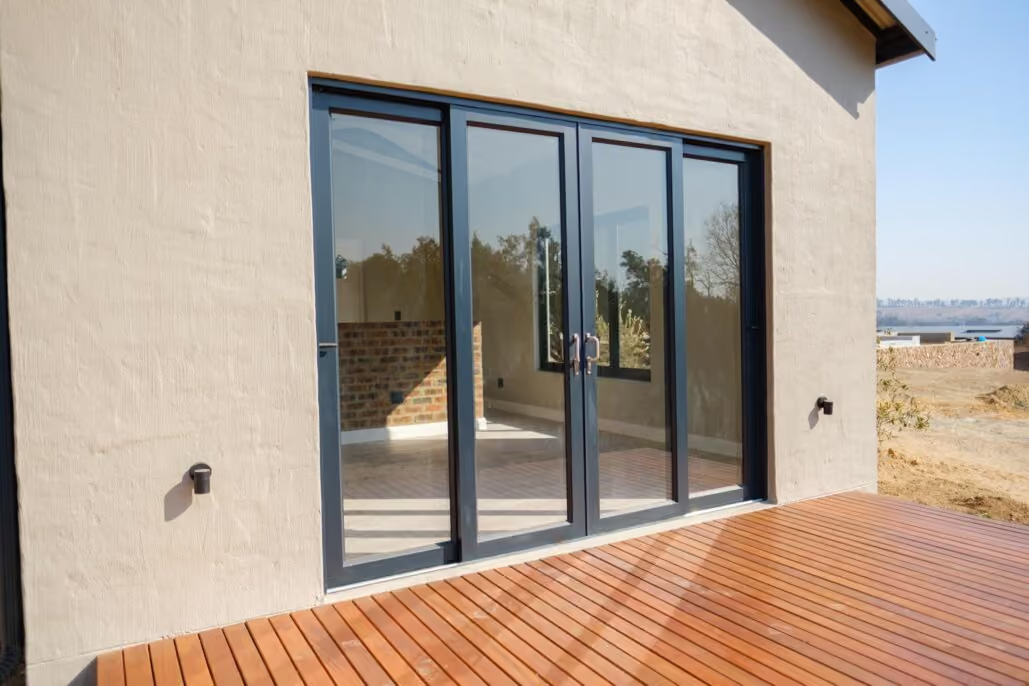
Sliding aluminium doors are one of the most widely used options in residential properties. These doors operate on a track system, where one panel slides horizontally in front of another. Because they do not swing inward or outward, sliding doors are practical for areas with limited floor space. They are commonly installed between living rooms and patios, as well as in bedrooms and kitchens that open onto outdoor areas.

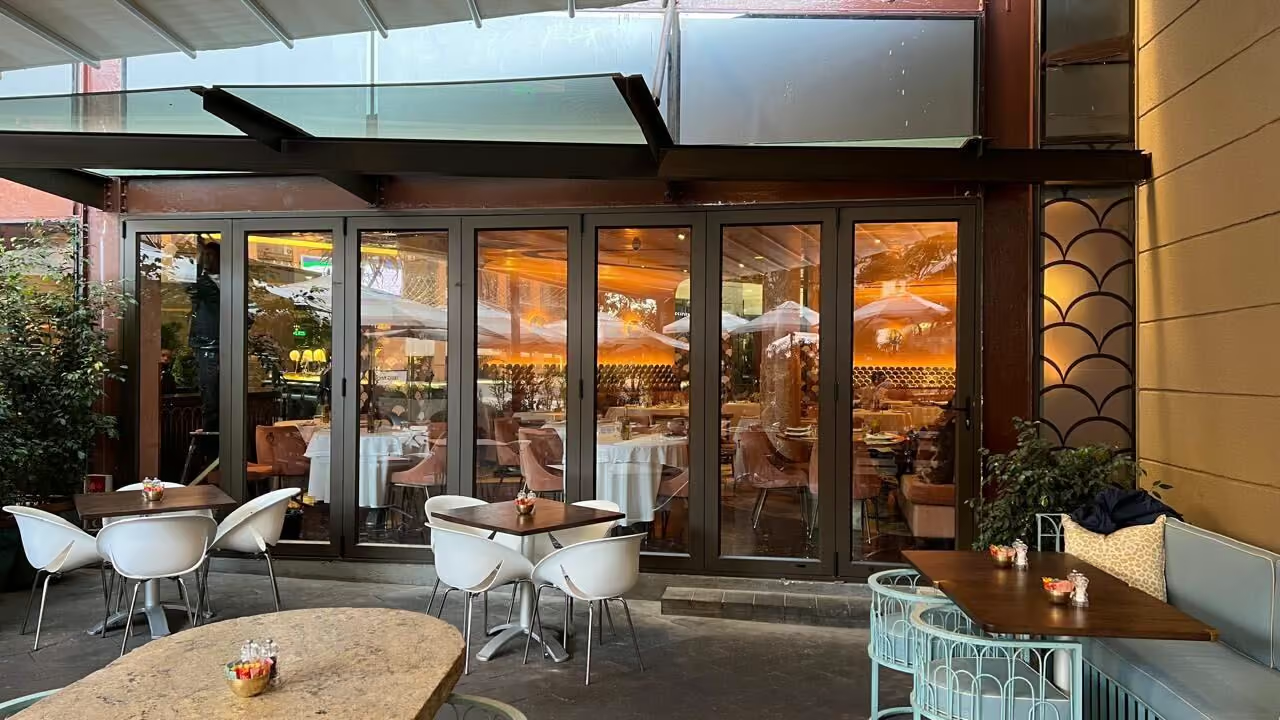
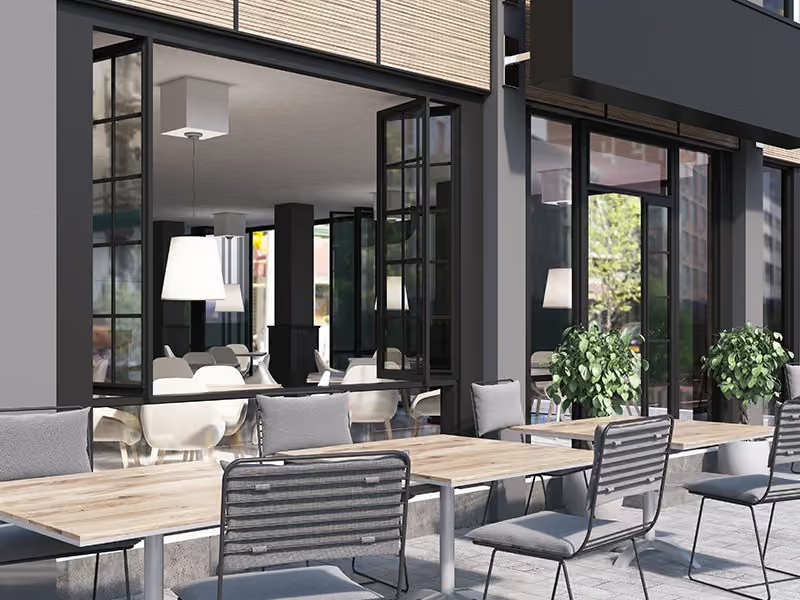
Folding aluminium doors, often referred to as concertina doors, consist of multiple panels connected by hinges. The panels fold and stack neatly to one side when opened. This system allows for a wide opening and creates a strong indoor-outdoor connection. Folding doors are often chosen for entertainment areas and large patios where homeowners want to maximise airflow and access.

Stacking aluminium doors are similar in appearance to sliding doors but operate differently. Instead of only one panel sliding in front of another, multiple panels slide and stack in front of a fixed panel or into a designated stacking space. This allows for a wider opening than traditional sliding systems while maintaining smooth horizontal movement. Stacking doors offer flexibility and a modern look that suits contemporary homes.

Each system has its own operating mechanism, structural requirements and aesthetic appeal. The right choice depends on how you intend to use the space.

Choosing the Right Door for Your Space

Sliding doors are ideal for areas where saving space is a priority. Since they move along a track and do not require clearance for opening, they are well suited to smaller patios, balconies and compact living areas. Their streamlined design works well in modern homes and apartments. Sliding doors also provide large glass panels that allow natural light to enter the room while maintaining unobstructed views.

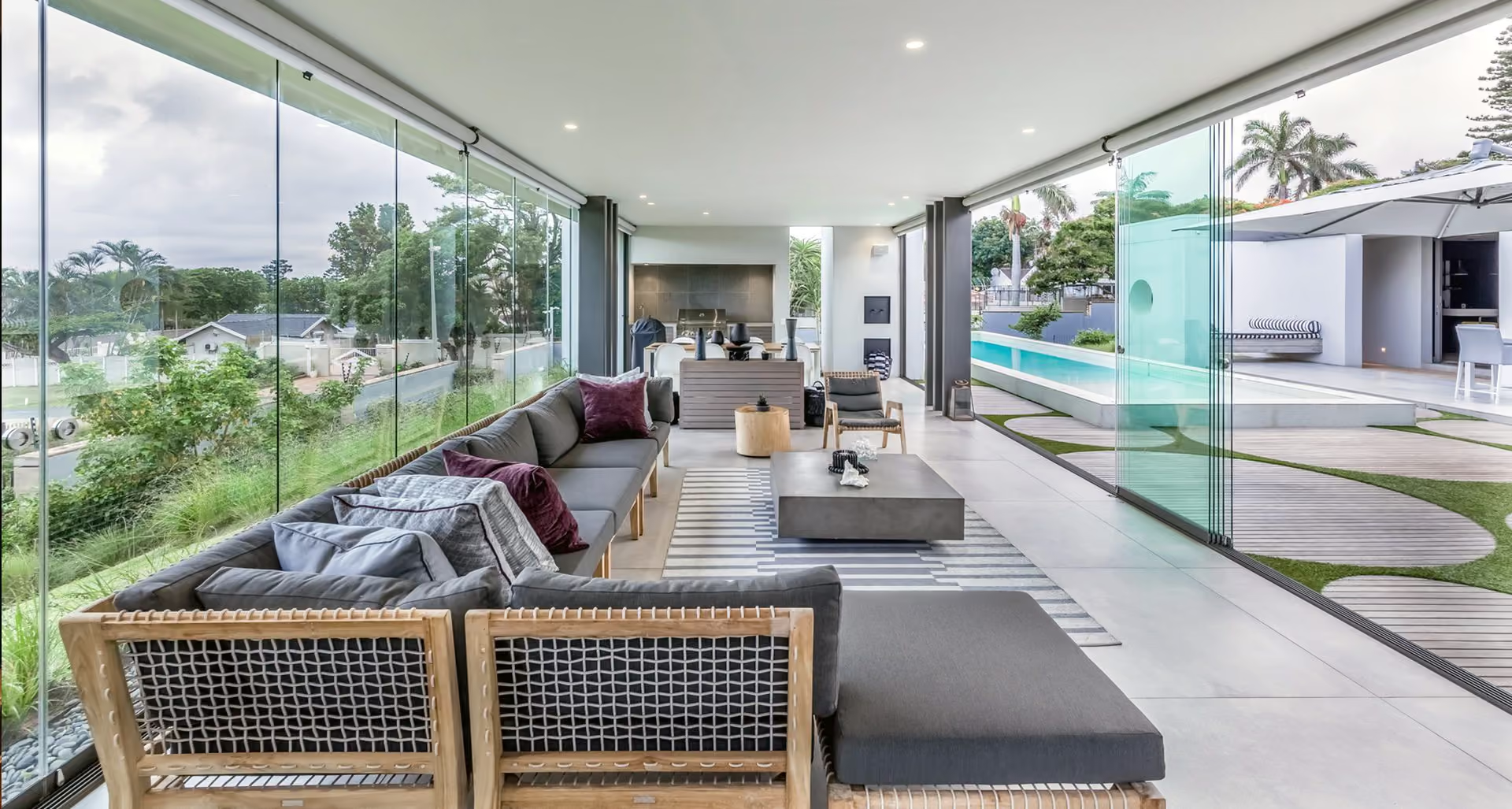
Folding doors are often selected for large openings that connect indoor living areas to gardens or entertainment spaces. When fully opened, they create a seamless transition between inside and outside. This makes them a popular choice for braai areas, poolside spaces and open-plan lounges. Folding doors require adequate stacking space to accommodate the folded panels, so careful planning is important during design.

Stacking doors offer a balance between sliding and folding systems. They allow wider openings than standard sliding doors while retaining a neat, linear movement along the track. This makes them suitable for homeowners who want a generous opening without the visual segmentation of hinged panels. Stacking systems are often used in larger living rooms or commercial-style residential spaces.

Aesthetic preferences also play a role in the decision. Some homeowners prefer the minimal lines of sliding doors, while others appreciate the architectural statement created by folding systems. The size of the opening, available wall space and intended use of the area should all guide the final choice.

Design and Security Considerations

Beyond functionality and style, structural integrity and security are essential factors when selecting aluminium doors. High-quality aluminium frames provide strength and stability, especially for large openings. Architectural-grade aluminium is designed to withstand South African weather conditions, including strong sunlight, coastal exposure and seasonal rainfall.

Glass selection is equally important. Toughened or laminated safety glass enhances durability and safety, particularly in high-traffic areas or homes with children. Properly specified glass also contributes to insulation and overall comfort within the home.

Hardware and locking systems support both security and performance. Multi-point locking mechanisms offer enhanced protection and ensure that doors close securely along the full length of the frame. Smooth-running rollers and durable hinges contribute to long-term reliability and ease of use. Professional installation plays a vital role in ensuring correct alignment, weather sealing and structural support.

Choosing a reputable supplier and installer ensures that the door system performs as intended and meets industry standards. Attention to detail during manufacturing and installation directly influences the lifespan of the product.

Selecting the Right Door System for Lasting Performance

Sliding, folding and stacking aluminium doors each offer distinct advantages for South African homes. The right choice depends on the size of your opening, the way you use your living spaces and the overall design vision for your home.

Balancing style, function and durability ensures that your investment delivers long-term value. By considering structural quality, glass specifications and secure hardware, homeowners can select an aluminium door system that enhances both comfort and performance for years to come.

WCH Aluminium specialises in the supply and installation of high-quality aluminium solutions for residential and commercial properties. Using architectural-grade aluminium supplied by Wispeco Aluminium (Pty) Ltd, WCH Aluminium delivers durable, well-finished products designed to perform in South African conditions. The company is a registered member of SAGGA and AAAMSA, reflecting a commitment to industry standards, quality workmanship and reliable service. WCH Aluminium offers a full range of aluminium windows, doors, shopfronts, security solutions, frameless glass doors and shower doors, ensuring tailored solutions for each project.

Frequently Asked Questions for Sliding, Folding or Stacking Aluminium Doors

1. What are the differences between sliding, folding, and stacking aluminium doors?
Sliding doors operate on a horizontal track and are ideal for compact spaces. Folding doors consist of multiple panels that fold neatly to one side, providing wide openings and indoor-outdoor flow. Stacking doors allow multiple panels to slide and stack behind a fixed panel, combining wide access with smooth movement. Each system suits different types of spaces and lifestyle needs.

2. Which aluminium doors are best for small living spaces or apartments?
Sliding aluminium doors are ideal for areas with limited floor space because they do not swing open. They also provide large glass panels, allowing natural light in and maintaining views without taking up additional room.

3. When should I choose folding aluminium doors for my home?
Folding doors work best for large openings connecting indoor areas to patios, gardens, or entertainment spaces. They create a seamless transition between inside and outside and are often chosen for braai areas, poolside spaces, or open-plan lounges.

4. What are stacking aluminium doors, and how do they differ from sliding doors?
Stacking doors function similarly to sliding doors but allow multiple panels to stack neatly behind a fixed panel. They provide wider openings than standard sliding systems while maintaining smooth horizontal movement, making them suitable for larger living spaces or contemporary homes.

5. How do aluminium doors enhance home security and durability?
High-quality aluminium frames are strong and stable, resisting warping and weathering. Toughened or laminated glass, multi-point locking systems, and durable hardware all contribute to safety and performance. Professional installation ensures the doors operate correctly and meet industry standards.

6. How do I choose the right aluminium door system for my home?
Selecting the right system involves considering the size of your opening, intended use of the space, and design preferences. Homeowners should also evaluate frame quality, glass type, security hardware, and the reputation of the supplier and installer to ensure long-term value and performance.

Leave a Reply

Your email address will not be published. Required fields are marked *